
Williamson County Arrest Warrants Explained
Under Texas Code of Criminal Procedure Chapter 15, an arrest warrant is written authority from a magistrate telling an officer, or a named person, to take someone into custody. A complaint or affidavit backs the request. A magistrate must review probable cause first. In Williamson County, criminal district cases land in the 26th, 277th, and 368th District Courts. Yet the magistrate who first reviews an arrest may be a justice of the peace or an associate magistrate at the jail. One office issues the paper. Another serves it. A city officer, a constable, or the Sheriff can execute a warrant, but none of them becomes the court with power to change it.
Williamson County Arrest Warrant Magistrates Review Case Stages
Jail is only the first stop. Williamson County's Magistrates Office handles jail-based magistration all year: probable-cause review, rights warnings, and bail hearings that set bond or release conditions. That first appearance decides custody terms. It does not close the case, and it does not recall a warrant some other court issued. Someone not in custody should talk to a lawyer or the issuing court about a motion, voluntary surrender, or posting bond. For an arrest already made, the magistrate's record answers who is held and on what terms. An unserved warrant is a separate matter. Confirming one runs through the issuing court and the Sheriff's approved route, not the magistrate file.
Inside a Williamson County Arrest Warrant
Williamson County publishes no single public format for warrant numbers. A warrant copy or a docket entry may tie together the name, the offense, the issuing magistrate, a cause number, bail, and the date. Public bail-form records add context. They are not a full index of unserved warrants.
| Case reference | Cause number connects the order to the court file. |
|---|---|
| Named person | Read the name from the official record; do not rely on a similar-name result. |
| Charge / offense | Identifies the matter supporting the warrant request. |
| Issuing authority | Names the magistrate or court with power over the order. |
| Bond / bail | Confirm the current amount and conditions with the court or magistrate. |
| Issue or action date | May differ from the date the warrant was entered, served, or recalled. |
A Williamson County Arrest Warrant Record May Be Sealed
Public access has its limits in Williamson County. A sealed complaint or warrant stays out of a public case search. So can juvenile material, along with details tied to an open investigation. The Texas Public Information Act allows law-enforcement exceptions, and Family Code Chapter 58 restricts certain juvenile records. A blank result is not court confirmation either way. Ask the District Clerk or the assigned court what public record you can request. If the question is one specific warrant, go through counsel or the Sheriff's photo-ID and attorney-letterhead fax route.
Serving Arrest Warrants in Williamson County
In Williamson County, the Sheriff, four constables, and city police can all serve arrest warrants. Precinct 3 runs a criminal and fugitive division. Its work covers traffic, misdemeanor, felony, probation-revocation, and bond-forfeiture warrants, sometimes beyond county lines. That division does not hold every warrant, and no single public list searches them all. After an arrest, the person is typically booked and brought before a magistrate for rights warnings, bail, and conditions. The issuing court still controls the case. Custody, booking, and current warrant status are three separate records.
Williamson County Arrest Warrants May Be Served by Several Agencies
Williamson County says its constables serve criminal and civil process, and Precinct 3 keeps a fugitive division for outstanding traffic, misdemeanor, and felony matters. City police or a task-force partner may help too. But the agency that serves a warrant need not keep the court file. Nor does it decide whether a judge recalls the order. For service or custody questions, use the agency named in the record. For the basis, the bond, or a recall, ask the Williamson County court that issued it.
Williamson County Arrest Warrant, Summons, and Bench Process
These records point to different court processes. An arrest warrant authorizes custody after probable-cause review; a summons tells a person to respond or appear; a bench warrant follows an unmet obligation in an open case. Missed a court date? See the county's separate bench warrant page.
| Feature | Arrest Warrant | Summons | Bench Warrant |
|---|---|---|---|
| What it orders | Taking a person into custody | Notice to respond or appear | Custody after a missed court obligation |
| Basis | Complaint and probable cause | Issued notice under the case process | Failure to appear or comply |
| Who issues it | Authorized magistrate | Court or authorized official | Judge in the pending case |
| Next step | Ask counsel about surrender and bond | Follow the date and response terms | Ask issuing court about recall or appearance |
Williamson County Arrest Warrant Magistration Does Not End the Case
Williamson County uses associate magistrates for 365-day bail hearings, rights warnings, and conditions of release. A PR bond, cash bond, or surety bond changes custody status on its own terms. It does not dismiss the charge. The next court setting and any release conditions still matter after a warrant arrest. Keep the magistrate's release order. Ask the issuing court or your lawyer when to appear next. If another jurisdiction has lodged a detainer, the local bond does not resolve that separate matter.
Williamson County Federal Arrest Warrants Follow Austin Division
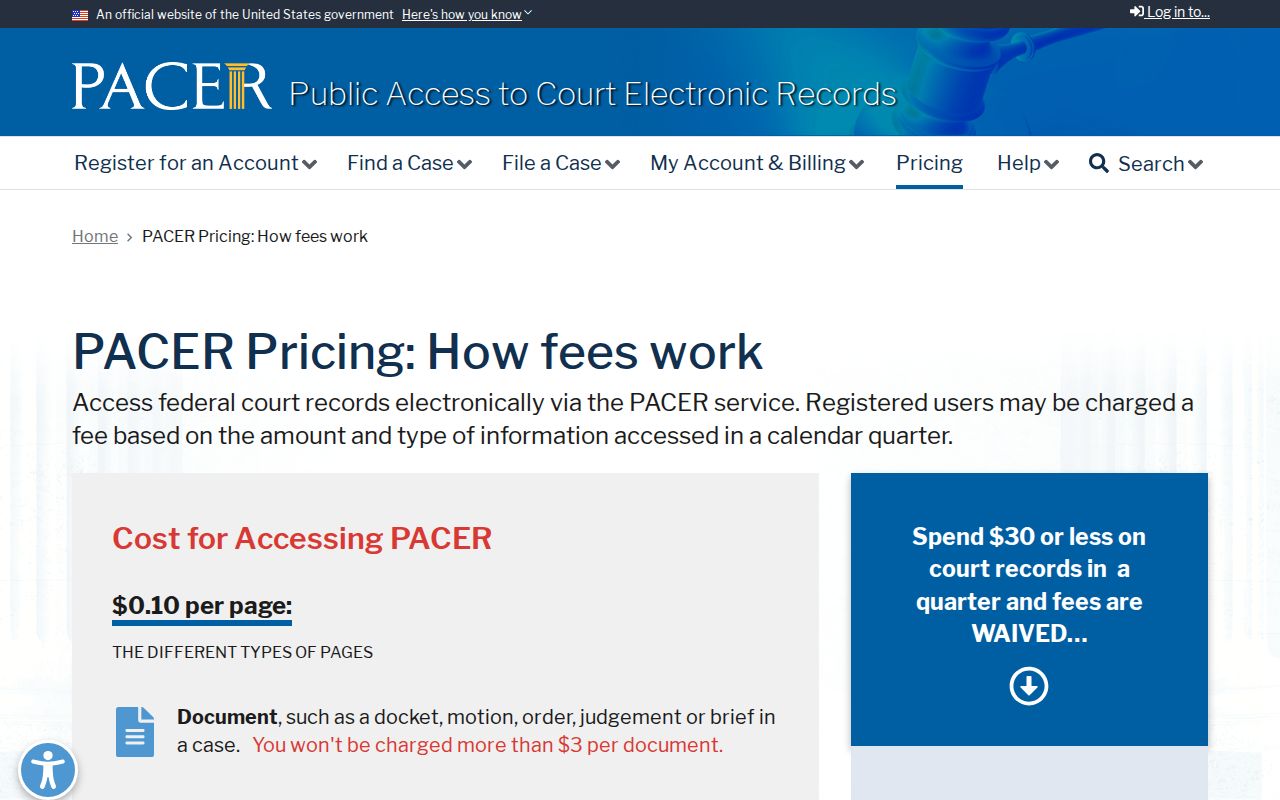
Williamson County sits in the Austin Division of the U.S. District Court for the Western District of Texas. A federal warrant may be sealed. It may run through a federal docket and the U.S. Marshals instead. No county warrant search answers it. PACER offers docket access, but it is not a warrant list and document fees may apply. The Western District jurisdiction page shows the Austin Division route.
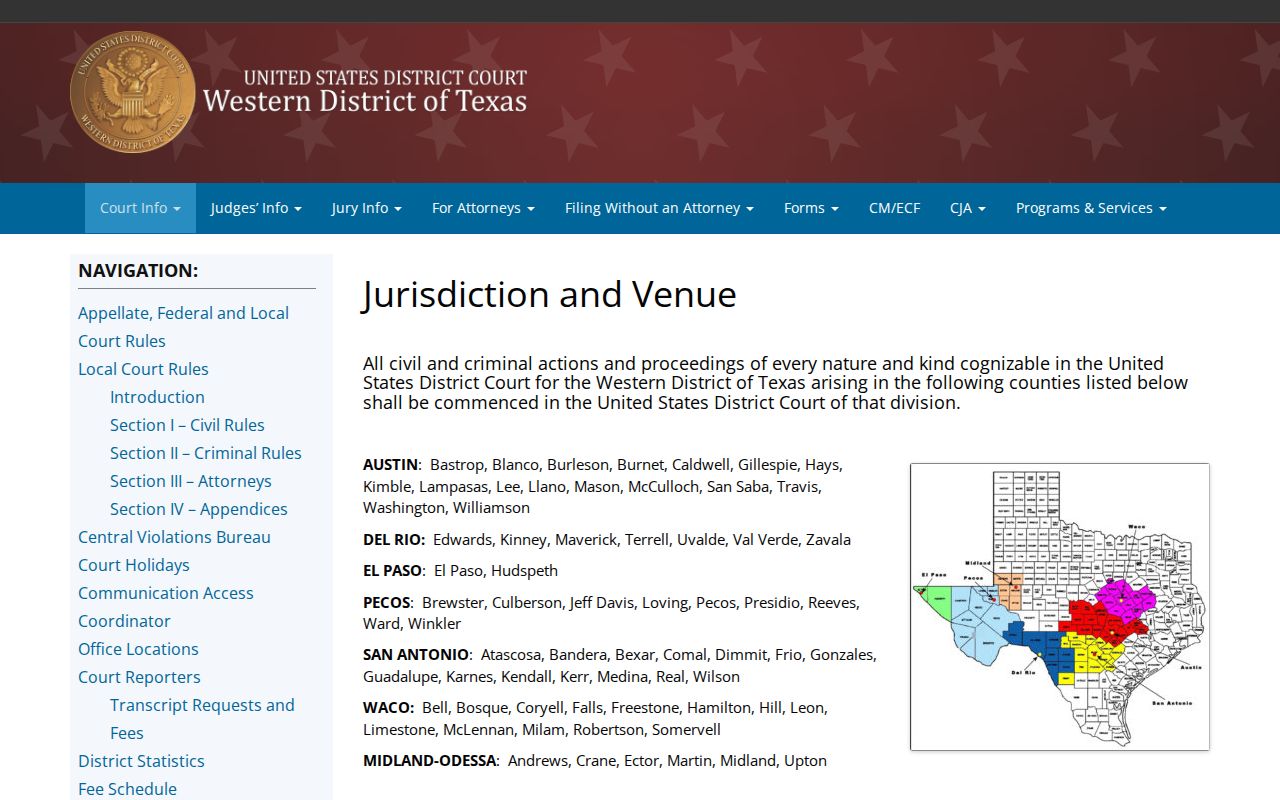
For a sealed or murky federal case in Williamson County, lean on an attorney or the federal Clerk's Office. PACER's fee page spells out the current docket charges.
Federal records remain separate from Williamson County court and Sheriff records.
Williamson County Arrest Warrant Next Steps
A public warrant search is never the last word on a case. Have an attorney pull the details that matter: the issuing court, the cause number, the warrant type, and the bond. Ask whether a motion to recall or quash fits, or whether a voluntary surrender through the court is the better route. If the person is already in custody, the Williamson County jail and magistrate can explain booking, bail, and release. Only the issuing court can direct what happens with the case itself.
Important: Get legal advice before appearing; confirm where to go, how surrender works, and which court action must follow release.